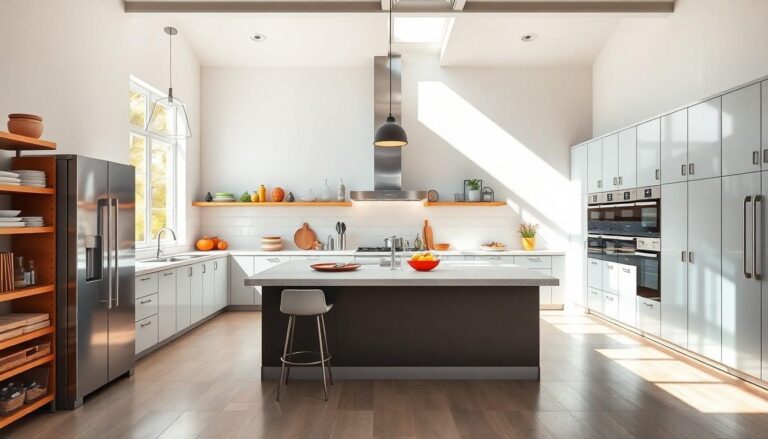


In a world where pajamas have become the new power suits, the demand for work-from-home interior design jobs is skyrocketing. Imagine transforming dull living rooms into stylish sanctuaries—all while sipping coffee in your favorite fuzzy slippers. It’s not just a job; it’s a chance to unleash creativity from the comfort of your couch.
Overview of Work From Home Interior Design Jobs
Work-from-home interior design jobs offer flexibility and creativity, attracting professionals and enthusiasts alike. Designers create tailored interiors that reflect their clients’ personalities while ensuring functionality. With remote work on the rise, many companies hire interior designers to enhance virtual spaces and homes.
Freelance opportunities abound as designers choose to work independently with clients. Projects can include home offices, living areas, and outdoor spaces, catering to diverse needs. Designers often collaborate with clients via video calls to discuss preferences and visualize ideas.
Technological tools assist designers in drafting plans and presentations. Software options like SketchUp and AutoCAD enable effective design modeling, while mood boards help convey intended aesthetics. Many interior designers also utilize social media platforms to showcase their portfolios and attract potential clients.
Networking plays a significant role in securing work-from-home projects. Industry connections can lead to referrals or collaborations, boosting a designer’s visibility. Additionally, staying current on trends elevates a designer’s skill set, ensuring relevant and appealing designs.
Job prospects in this field continue to grow, reflecting an increasing demand for professionals who can create inspiring spaces. This trend highlights the potential for a sustainable career in interior design from home. Balancing creativity with business acumen leads to success in securing projects and meeting clients’ expectations.
Benefits of Working From Home as an Interior Designer

Working from home as an interior designer offers numerous advantages that enhance both professional and personal lives. Designers enjoy unique benefits that cater to their needs and preferences.
Flexibility in Work Hours
Flexible work hours promote creativity and efficiency. Designers can tailor their schedules around peak productivity times. Working late at night or early in the morning allows for focused design sessions. Clients often appreciate this adaptability, especially during consultations. Collaboration via video calls can occur at convenient times for all parties involved. Mixing personal commitments with work is simpler, enabling a balanced lifestyle. The option to adjust work hours also leads to a responsive approach in meeting clients’ project needs. Ultimately, flexibility creates an environment that fosters creative solutions.
Cost Savings
Cost savings present a significant benefit for remote interior designers. Commuting expenses disappear when working from home. Designers eliminate costs associated with professional attire, often opting for comfortable clothing. Reduced overhead expenses, such as office space rental or utility bills, also apply in this work arrangement. Additionally, working from home allows for lower entertainment costs, as meetings can occur virtually. Investing in quality tools and software becomes more manageable without hefty monthly expenses. Freelancers especially benefit from this setup, as the savings translate directly into increased profit margins. Overall, minimizing expenses contributes positively to financial stability in the design industry.
Essential Skills for Interior Designers
Interior designers need a blend of creativity and technical expertise to succeed, especially in work-from-home settings.
Design Software Proficiency
Mastering design software is crucial for interior designers. Tools like SketchUp and AutoCAD help create detailed plans and 3D models. Familiarity with Adobe Photoshop and Illustrator enhances presentation skills. Learning how to use mood boards effectively can streamline the design process. Many freelancers often rely on these tools to convey their vision clearly to clients. Proficiency in design software not only improves efficiency but also elevates the overall quality of work.
Communication Skills
Strong communication skills play a vital role in interior design. Designers frequently engage with clients through video calls and emails. Articulating design ideas and responding to feedback ensures that their vision aligns with client expectations. Active listening enhances collaboration and deepens client relationships. Many successful designers prioritize clear and concise communication to avoid misunderstandings. Building rapport with clients can lead to loyal relationships and ongoing projects.
Finding Work From Home Interior Design Jobs
In the current market, multiple avenues exist for finding work-from-home interior design positions. Exploring diverse resources can significantly enhance job search success.
Job Boards and Websites
Numerous job boards and websites specialize in interior design roles. Platforms like Indeed, Glassdoor, and SimplyHired list a range of remote opportunities available daily. Niche sites, such as DesignIntelligence and Coroflot, cater specifically to design professionals, providing focused listings. Companies often advertise freelance gigs on popular platforms like Upwork and Freelancer. Designers should also visit industry-specific forums and websites for hidden opportunities. Staying proactive and regularly checking these resources increases chances of finding suitable positions.
Networking and Social Media
Social media serves as a powerful tool for connecting interior designers with potential clients. Designers can leverage platforms like Instagram and Pinterest to showcase portfolios and attract followers. Engaging with design communities on Facebook and LinkedIn enables professionals to network and discover job leads. Participating in virtual events and discussions fosters relationships with industry peers and opens referral opportunities. Building a personal brand online not only highlights skills but also cultivates valuable connections within the interior design field.
Tips for Creating a Productive Home Office
Designing a productive home office significantly enhances work efficiency. Space location plays a crucial role; choose an area with natural light to uplift energy levels. Ergonomic furniture is vital, so invest in a comfortable chair and desk that support posture.
Incorporate organized storage solutions. Shelves, filing cabinets, and bins help maintain a clutter-free environment conducive to creativity. Personal touches such as artwork or plants can inspire and promote a calm atmosphere.
Harness technology effectively. High-speed internet is non-negotiable for seamless video calls and file sharing. Consider dual monitors to increase productivity when multitasking.
Set boundaries within the home. Communicate availability to family members or roommates to minimize distractions. Establish a clear schedule that defines work hours and breaks, promoting a healthy work-life balance.
Implement proper lighting. Use a combination of ambient and task lighting to reduce eye strain and maintain focus. Smart lighting options allow for adjustments based on the time of day.
Utilize a dedicated décor theme. Consistency in design elements fosters a professional appearance and enhances creativity. Neutral colors in the workspace can help keep the mind focused and centered.
Stay organized with digital tools. Software for project management like Trello or Asana can help track tasks efficiently. Keep a digital calendar for appointments and deadlines to prevent falling behind.
Regularly reassess office layout and functionality. Making small changes can refresh the space and boost motivation. By optimizing the home office environment, individuals can achieve higher productivity levels and satisfaction in their work-from-home interior design careers.
The world of work-from-home interior design jobs presents a unique blend of creativity and practicality. Designers can thrive in a flexible environment while shaping spaces that inspire and reflect individual styles. With the right skills and tools, they can navigate this evolving landscape successfully.
As remote work continues to gain traction, the demand for professionals who can create functional yet aesthetically pleasing interiors will only grow. Embracing technology and effective communication will enhance their ability to connect with clients and deliver exceptional results.
Overall this career path offers not just financial stability but also the freedom to craft a fulfilling and balanced lifestyle. Embracing this opportunity could lead to a rewarding journey in the world of interior design.