
Navigating the world of maintenance service and repair can feel like deciphering a secret code, especially when the EPA gets involved. It’s like trying to find the last slice of pizza at a party—everyone’s eyeing it, but only a few know the rules. Understanding what qualifies as major maintenance under the EPA’s definition is crucial for anyone looking to avoid costly mistakes and stay compliant.
Understanding Major Maintenance Service
Major maintenance service refers to specific activities that ensure the longevity and compliance of various systems with environmental regulations. The EPA defines these services to help identify criteria for necessary repairs and maintenance. Activities falling under this category include repair or replacement of major components. Many HVAC systems require such services, so understanding these components is crucial.
Engine replacement often qualifies as major maintenance. It generally involves significant procedures that contribute to the vehicle’s operational efficiency. Additionally, transmission service involves intricate work that affects overall vehicle performance. Regular updates on filters and fluids also categorize as major maintenance activities when they relate to compliance and efficiency.
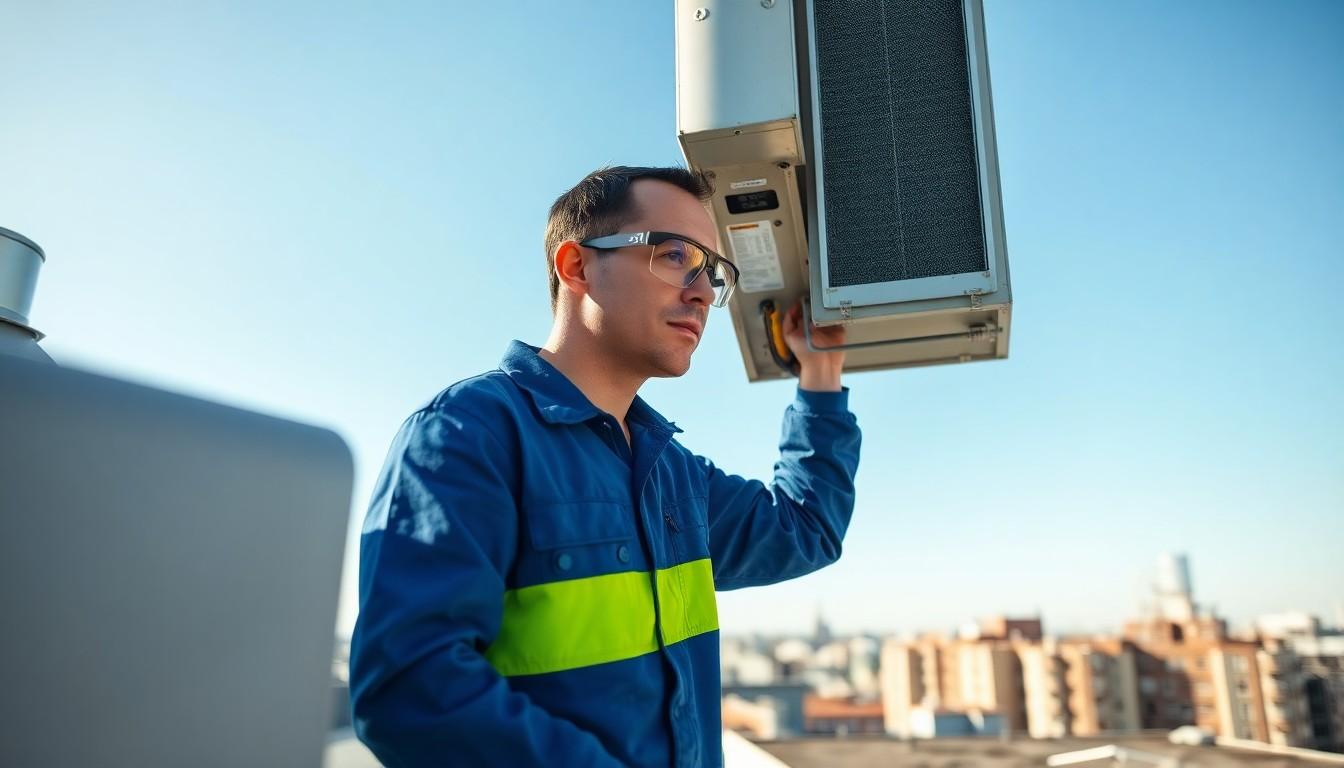
In the context of building systems, major maintenance may include refurbishing heating or cooling units. When these units fail to operate efficiently, replacing or servicing them falls under major maintenance guidelines provided by the EPA. Furthermore, major repairs to plumbing systems require attention to ensure that environmental standards are met.
Considering these definitions helps prevent costly compliance errors. It’s essential to evaluate all maintenance activities according to EPA standards. This evaluation guarantees that any significant repair aligns with the regulatory framework established for environmental safety.
EPA Definition of Major Maintenance Service

Understanding the EPA definition of major maintenance service helps ensure compliance with environmental regulations. This understanding facilitates proper service and repair execution in various systems.
Key Components
Major maintenance service encompasses a range of activities. Component replacement in HVAC systems qualifies as a key activity. Engine replacements also fall under this definition. Transmission services are important, given their role in vehicle performance. Refurbishing heating or cooling units constitutes another essential component of major maintenance. Plumbing system repairs meet EPA guidelines as well, ensuring compliance while maintaining system integrity. All these activities aim to prolong equipment life and adhere to environmental standards.
Regulatory Framework
The EPA outlines specific regulations that govern major maintenance activities. Compliance with these regulations protects both the environment and public health. Major maintenance activities must align with the guidelines set forth in the Clean Air Act and other related statutes. Understanding these legal frameworks helps businesses navigate regulatory requirements effectively. Proper documentation and adherence to protocols are crucial for compliance. Non-compliance can result in significant penalties for organizations engaged in maintenance services. Companies must familiarize themselves with these regulations to avoid costly mistakes.
Common Repairs and Services
Understanding which repairs and services fall under major maintenance is crucial for compliance with EPA guidelines. Familiarity with these activities helps avoid costly errors.
Examples of Major Maintenance
Major maintenance often includes significant repairs and replacements. Examples encompass HVAC system overhauls, which involve replacing compressors or ductwork. Engine replacements also qualify as major maintenance, impacting vehicle performance and emissions. Transmission services are essential for maintaining operational efficiency. Refurbishing heating or cooling units, along with necessary plumbing repairs, further exemplifies major activities. Each of these examples supports compliance with environmental regulations and prolongs the lifespan of essential systems.
Services That Do Not Qualify
Certain services do not meet the EPA’s definition of major maintenance. Routine oil changes do not fall under major maintenance, as they lack substantial impact on system longevity. Similarly, changing air filters is considered regular upkeep. Minor repairs, such as fixing small leaks or painting, also do not qualify. Maintenance activities focusing solely on aesthetics aren’t classified as major repairs. Understanding these distinctions prevents misunderstandings and ensures proper adherence to regulatory requirements.
Implications for Compliance
Compliance with EPA regulations regarding major maintenance activities holds significant implications for businesses. Understanding these guidelines helps prevent regulatory infractions and protects operational integrity. Organizations engaging in HVAC system overhauls, engine replacements, and transmission services must document their activities thoroughly. Accurate documentation demonstrates adherence to the Clean Air Act and other relevant statutes.
Non-compliance not only exposes businesses to penalties but also risks reputational damage. Companies that fail to recognize the importance of compliant major maintenance practices may face costly fines. Familiarity with what constitutes major maintenance versus routine tasks establishes a clear compliance pathway. For example, while oil changes and minor aesthetic repairs don’t qualify as major maintenance, neglecting compliance in critical areas can lead to serious repercussions.
Aligning maintenance activities with EPA standards reinforces environmental stewardship. Ensuring that major components are repaired or replaced appropriately reflects a commitment to sustainability. Each maintenance activity must address both operational needs and regulatory requirements to achieve compliance.
Training staff on regulatory obligations enhances compliance efforts. When employees understand the distinctions between major maintenance activities and regular maintenance, organizations minimize errors. Cultivating this knowledge within the workforce empowers businesses to operate efficiently while maintaining compliance with environmental regulations.
Navigating these complexities ensures that businesses not only comply with legal mandates but also support overall public health and environmental quality. Effectively managing major maintenance activities leads to better resource utilization and operational success while safeguarding compliance with the strict standards set by the EPA.
Understanding what constitutes major maintenance under the EPA’s definition is vital for businesses aiming to comply with environmental regulations. By recognizing the specific activities that fall into this category, such as HVAC overhauls and major engine repairs, companies can avoid costly mistakes and potential penalties. Familiarity with these guidelines not only supports compliance but also enhances operational efficiency and environmental stewardship. Prioritizing proper documentation and staff training ensures that businesses can navigate regulatory requirements effectively. Embracing these practices will ultimately protect public health and contribute to a sustainable future.