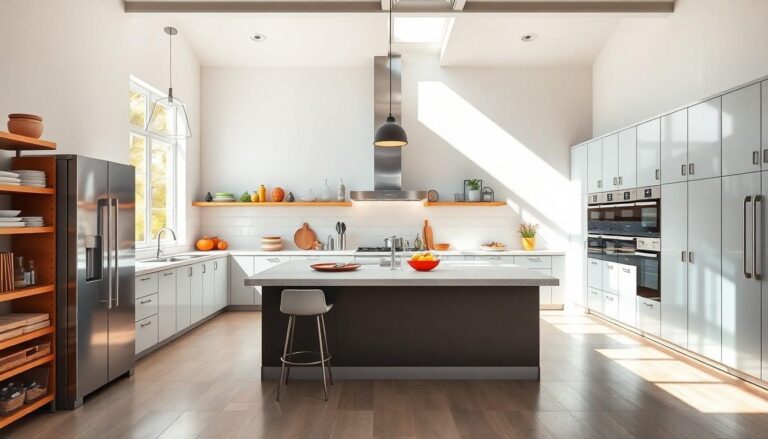


In a world where trends come and go faster than a cat video goes viral, home design is no exception. What was once considered chic can quickly become yesterday’s news. But fear not! Whether you’re a design aficionado or someone who simply wants to avoid the dreaded “blah” in their living space, staying updated on home trends is essential.
Current Home Trends and Design
Natural materials dominate the current home design landscape. Wood, stone, and fibers enhance comfort and create a warm atmosphere in living spaces. Sustainable design practices also gain more attention, as homeowners seek eco-friendly options. Energy-efficient appliances and sustainable building materials help reduce carbon footprints.
Muted color palettes are trending, allowing for a serene and cohesive look. Soft earth tones such as beige, olive green, and soft browns add subtle sophistication. In contrast, bold accent colors in furnishings or art pieces create visual interest without overwhelming a space.
Open floor plans continue to be popular. These layouts foster communication and connectivity within households. Multipurpose rooms also emerge, where flexibility in space usage accommodates various activities.
Biophilic design, which connects indoors with nature, remains a key trend. Incorporating plants and natural light brings vitality and freshness into homes. Large windows and sliding doors blur the line between indoor and outdoor spaces.
Smart home technology enhances both convenience and security. Integration of smart lighting, climate control, and security systems provides homeowners control over their environments. Voice-activated devices simplify daily tasks and make homes more user-friendly.
Finally, minimalism retains its appeal. Clutter-free spaces and simple lines create a sense of tranquility. Functionality and aesthetics work together, emphasizing the importance of mindful consumption in home design.
Popular Color Palettes

Color palettes play a crucial role in home design. Many homeowners gravitate towards combinations that create inviting and harmonious spaces.
Neutral Tones
Neutral tones dominate current design trends. These shades, such as beige, taupe, and soft gray, provide a versatile backdrop. They promote tranquility and blend well with various decor styles. Warm undertones, particularly in earthier shades, foster a cozy ambiance. Various textures, such as wool or linen, enhance the warmth of neutral palettes. Homeowners often pair them with natural materials like wood or stone for added richness.
Bold Accents
Bold accents breathe life into neutral foundations. Colors like deep navy, emerald green, and fiery red draw attention and create dynamic focal points. Strategically placed accent walls or vibrant furniture infuse energy into spaces. Accessories, such as cushions or artwork, allow for easy changes and can enhance overall aesthetics. Contrasting with softer tones, these vivid colors provide an exciting visual interest in modern interiors. Homeowners frequently use them to highlight unique features or architectural details.
Furniture Styles
Furniture styles play a significant role in defining home design trends. Different styles cater to varying tastes and functional needs in living spaces.
Minimalism
Minimalism emphasizes simplicity and functionality. The focus remains on clean lines and uncluttered spaces, making it popular among those seeking tranquility in their homes. Furniture in this style often features neutral colors and natural materials, promoting a calm environment. Items serve dual purposes, such as a coffee table that also provides storage. Enhancing the minimalist aesthetic involves incorporating essential pieces that blend seamlessly into the space. This approach not only reduces visual clutter but also encourages mindful consumption, allowing homeowners to appreciate what they own.
Vintage Revival
Vintage revival brings nostalgia and character to modern homes. This trend embraces unique furniture pieces from previous decades, allowing for personalized decor. Art deco, mid-century modern, and retro styles often feature vibrant colors and intricate designs that stand out. Combining vintage items with contemporary pieces creates a balanced look, providing versatility while fostering a sense of history. Additionally, thrift stores and flea markets become treasure troves for homeowners looking to incorporate one-of-a-kind finds into their spaces. The charm of vintage revival lies in its ability to bring warmth and personality to any room.
Innovative Materials
Innovative materials define modern home design, pushing boundaries and enhancing aesthetics.
Sustainable Options
Sustainable options in home materials reflect a growing environmental consciousness. Bamboo, reclaimed wood, and recycled metal contribute to eco-friendly choices. These materials often reduce waste and energy consumption during production. Homeowners appreciate how cork provides both style and sound insulation. Using low-VOC paints ensures healthier indoor air quality. Innovations in insulation, like sheep’s wool or denim, offer sustainable alternatives that enhance energy efficiency. Selecting these materials creates beautiful spaces while minimizing environmental impact. More people turn to these options, combining sustainability with design elegance.
Tech-Integrated Designs
Tech-integrated designs revolutionize indoor spaces, blending functionality with modern aesthetics. Smart materials adapt to environmental changes, improving comfort and efficiency. Thermochromic glass changes transparency in response to temperature, optimizing light and heat control. Lighting solutions feature LED technology, allowing customization and energy savings. Homeowners embrace touchless technology in home fixtures, enhancing convenience and hygiene. Integration of smart home systems connects various devices, enabling seamless control from smartphones. These innovations not only elevate the functionality of spaces but also reflect a contemporary lifestyle. Prioritizing technology in designs prepares homes for the future while boosting everyday usability.
Staying ahead in home design trends is essential for creating inviting and functional spaces. By embracing natural materials and sustainable practices homeowners can enhance both aesthetics and environmental impact. The shift toward muted color palettes paired with bold accents offers a fresh approach to interior design that promotes tranquility and visual interest.
Open floor plans and multipurpose rooms cater to modern lifestyles while biophilic design and smart technologies connect residents with nature and convenience. As trends evolve the blend of minimalism and vintage revival allows for personalized and clutter-free environments. By incorporating innovative materials and tech-integrated solutions homeowners can ensure their spaces are not only stylish but also future-ready.