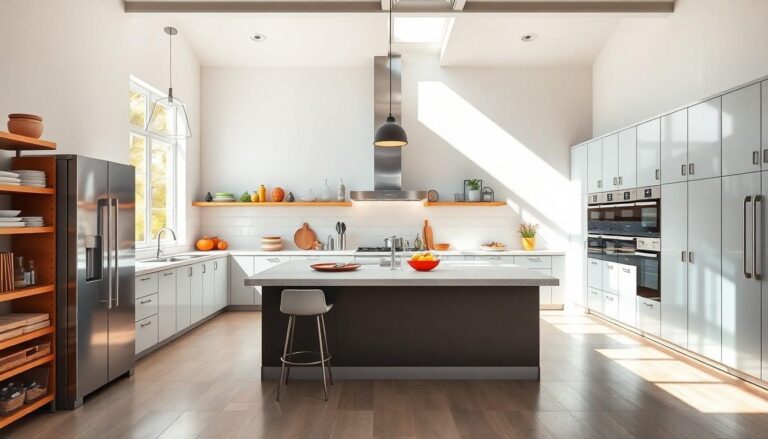


Imagine waking up to the gentle hum of your coffee maker and the soft glow of your lights gradually brightening, all without lifting a finger. That’s the magic of home automation—a world where your home becomes your personal assistant, ready to cater to your every whim. Whether it’s adjusting the thermostat while you’re still snuggled under the covers or having your favorite playlist greet you as you walk through the door, the possibilities are endless.
Overview of Home Automation Project
Home automation streamlines daily tasks, allowing for greater efficiency and control within a residence. The technology creates a connected environment that responds to individual preferences.
What Is Home Automation?
Home automation refers to the use of technology to control home systems and appliances. Systems such as lighting, heating, and security work together through a centralized network. Devices connect via Wi-Fi or Bluetooth to enable remote management. Automation systems often integrate with mobile apps or voice assistants, simplifying interactions. Homeowners can schedule events or control devices in real time, enhancing convenience and comfort.
Benefits of Home Automation
Home automation provides multiple advantages for users. It increases energy efficiency by optimizing lighting and heating based on occupancy. Enhanced security features include smart cameras and locks that can be monitored remotely. Convenience rises as tasks like adjusting the thermostat or turning on lights require minimal effort. Automation also allows for personalized experiences, such as customizing sound systems or lighting scenes. Overall, these benefits contribute to a more comfortable and secure living environment.
Key Components of a Home Automation Project

A successful home automation project relies on a few key components. Each plays a vital role in creating a seamless, interconnected living space.
Smart Devices and Sensors
Smart devices and sensors form the backbone of home automation. These gadgets include smart bulbs, thermostats, and security cameras that respond to user commands. Sensors monitor temperature, motion, and light levels, providing valuable data for automation. For example, smart thermostats adjust heating and cooling based on occupancy. Smart locks enhance security by enabling remote access to homes. By integrating various smart devices, individuals achieve customized control over their environment.
Central Hub and Connectivity
A central hub acts as the command center in a home automation system. This device connects multiple smart appliances, enabling them to communicate with one another. Various options exist, including smart speakers and dedicated hubs. Wireless technology, such as Wi-Fi or Zigbee, facilitates seamless communication among devices. Connectivity ensures that systems work together efficiently, allowing for automation routines that enhance convenience. A centralized approach simplifies management through mobile apps or voice assistants, streamlining everyday tasks.
Planning Your Home Automation Project
Planning a home automation project requires a strategic approach to ensure effectiveness and satisfaction. Consider essential factors such as budget and device selection for a successful implementation.
Budgeting for Automation
Establishing a budget sets the foundation for any home automation project. Determine the total amount dedicated to devices, installation, and maintenance. Typically, costs can range from $1,000 to $10,000, depending on the complexity and number of smart devices. Account for ongoing expenses, such as subscriptions to services or software. It’s wise to prioritize essential systems first, like security and lighting, before adding less critical components. By keeping financial limits in mind, one can avoid overspending while maximizing the utility of the selected technology.
Selecting the Right Devices
Choosing appropriate devices plays a crucial role in achieving a seamless home automation experience. Identify key areas of focus, such as security, comfort, or energy management. Popular options include smart bulbs, thermostats, and cameras, all providing distinct functions. Evaluate compatibility with existing systems to ensure smooth integration. Investigate reputable brands that offer good customer support and user-friendly interfaces. Prioritize devices that offer scalability, allowing future upgrades without replacing the entire system. Careful selection of devices leads to an efficient and tailored home automation setup.
Implementation of Home Automation Project
The implementation of a home automation project involves several key steps to create an effective and responsive living space.
Installation Process
Installing smart devices requires careful planning and execution. Begin with the central hub, ensuring it connects properly to your home’s Wi-Fi network. Next, place devices like smart bulbs or thermostats in their respective locations. Each device must follow specific instructions for configuration to ensure seamless operation. After completing the initial setup, test each system to verify its functionality. Consider consulting professional help for complex installations, particularly with security systems or integrated setups.
Troubleshooting Common Issues
Encountering issues during the home automation setup can happen frequently. Start by checking the power supply for non-functioning devices. It may also be useful to reset devices by powering them off and on again. Inspect the hub’s connection to Wi-Fi, as loses connectivity can disrupt the entire system. If problems persist, utilize manufacturer support resources or user forums for specific solutions. Keeping firmware updated ensures devices operate smoothly, helping to reduce future complications.
Future Trends in Home Automation
Home automation continues to evolve, integrating advanced technologies that enhance user experiences and boost efficiency. Emerging innovations shape the future landscape, driving greater connectivity and functionality in smart homes.
Emerging Technologies
Artificial intelligence powers many emerging technologies, enabling systems to learn user preferences. Voice-activated assistants facilitate seamless interaction with various devices, creating a more intuitive environment. Smart sensors play a crucial role in monitoring conditions and responding to changes, increasing overall automation capabilities. Additionally, the integration of IoT devices fosters improved communication among appliances, allowing them to work together harmoniously. As technology progresses, enhanced compatibility across brands promotes user ease and satisfaction in home automation projects.
Sustainability in Home Automation
Sustainability drives the design of many home automation solutions, focusing on reducing energy consumption. Smart thermostats adjust climate control based on occupancy, promoting energy efficiency. Solar-powered devices and systems offer eco-friendly alternatives for powering smart homes. Utilizing energy management systems provides homeowners with insights into usage patterns, encouraging proactive adjustments. Sustainable practices contribute to overall reductions in energy costs, making homes both environmentally friendly and economically viable. Investing in energy-efficient technology not only benefits individual households but also supports broader environmental goals.
Home automation represents a significant leap toward a more convenient and efficient lifestyle. By integrating smart devices and systems, individuals can transform their living spaces into responsive environments tailored to their needs. This technology not only enhances comfort but also promotes energy efficiency and security.
As homeowners embark on their automation projects, careful planning and device selection are key to achieving a seamless experience. With advancements in technology and a focus on sustainability, the future of home automation looks promising. Embracing these innovations allows for a smarter home that adapts to personal preferences while contributing to a more sustainable world.