

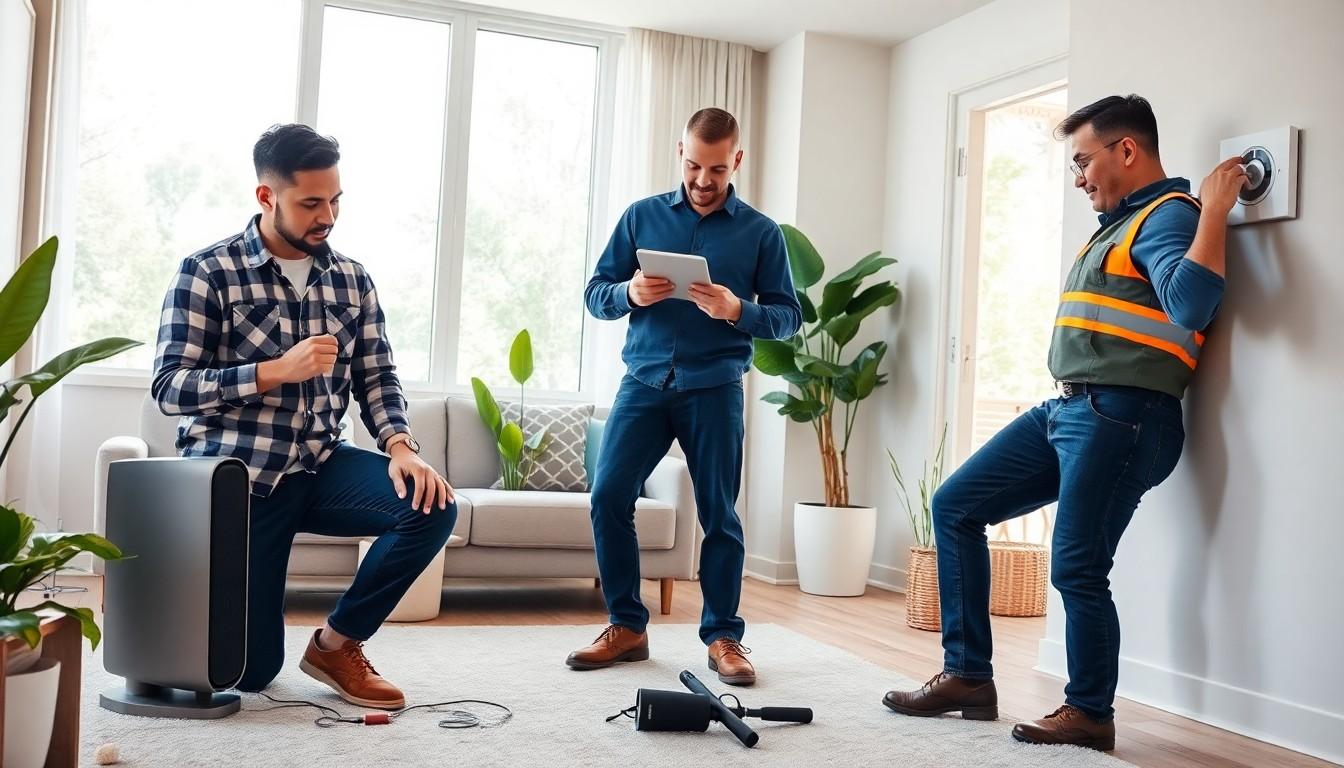
In a world where smart fridges can order groceries and lights respond to a simple command, home automation jobs are booming faster than a cat video going viral. As technology weaves itself into the fabric of daily life, the demand for skilled professionals to install, maintain, and innovate these systems is skyrocketing. It’s not just about making homes smarter; it’s about creating a lifestyle where convenience reigns supreme.
Overview of Home Automation Jobs
The home automation job market has expanded significantly. This surge reflects the integration of technology into daily life and the increasing desire for more convenient living environments.
Industry Growth and Trends
Home automation technology grew by 28 percent from 2020 to 2023, driven by consumer demand for smart solutions. Many homeowners seek energy-efficient devices that enhance convenience and security. Also, advancements in IoT (Internet of Things) fuel market growth, broadening job opportunities in various sectors. Numerous companies invest in innovative smart home products, creating positions in installation, maintenance, and support. Analysts predict continuous growth as awareness of smart homes increases.
Key Roles in Home Automation
Several key roles exist within the home automation industry. Technicians specialize in installing smart devices and configuring systems for optimal performance. Designers focus on creating user-friendly interfaces tailored to individual needs. Project managers coordinate home automation projects, ensuring timely execution and quality control. Sales professionals educate customers on available technologies, guiding them toward effective solutions. Additionally, software developers design applications that enhance user experiences, maintaining connectivity among devices.
Skills Required for Home Automation Jobs

Home automation jobs demand a blend of technical and soft skills. These skills ensure effective design and management of smart home systems that enhance convenience and lifestyle.
Technical Skills
Technical skills are crucial for success in home automation jobs. Familiarity with programming languages like Python or JavaScript aids in creating and troubleshooting smart home applications. Knowledge of electronic systems enables professionals to install devices accurately. Understanding network configurations supports the integration of various home automation devices. Proficiency in IoT protocols, such as Zigbee and Z-Wave, enhances communication between devices. Expertise in security systems provides a competitive advantage as security remains a priority for homeowners. Mastering data analysis allows professionals to optimize system performance and user experience.
Soft Skills
Soft skills play a vital role in home automation jobs. Communication skills facilitate effective interaction with clients, ensuring their needs are understood and addressed. Problem-solving abilities enable quick and efficient resolution of technical issues. Teamwork is essential as these jobs often require collaboration across various roles, from technicians to project managers. Adaptability helps professionals respond to evolving technologies and client preferences. Time management ensures that projects stay on schedule and within budget. Attention to detail contributes to the accuracy and quality of installations and designs, impacting overall customer satisfaction.
Types of Home Automation Jobs
Emerging from the rapid growth in technology, various home automation jobs are shaping the industry landscape. Each role carries unique responsibilities and skill requirements, catering to distinct aspects of smart home systems.
Residential Installer
Residential installers play a vital role in the home automation ecosystem. They specialize in the installation and configuration of smart devices such as lighting, security cameras, and climate controls. Knowledge of wiring and electronic systems is essential for these installers. Familiarity with popular smart home platforms like Google Home or Amazon Alexa enhances their effectiveness. Attention to detail ensures seamless integration of all components, leading to improved user experience. Homeowners rely on these professionals to troubleshoot and maintain their systems, making technical expertise indispensable.
Automation Engineer
Automation engineers focus on developing and optimizing smart home systems. They work with software and hardware to create user-friendly interfaces and functionalities. Proficiency in programming languages like Python and JavaScript is crucial for their role. These engineers analyze requirements and collaborate with designers to ensure system coherence. They often test and adjust systems to enhance performance and reliability. Skills in data analysis enable them to derive insights from system usage, driving continuous improvement of products and services.
Project Manager
Project managers oversee home automation projects from inception to completion. They coordinate between clients, installers, and engineers to ensure alignment of expectations and deliverables. Effective communication and leadership skills are vital for their success. They manage timelines and budgets, ensuring projects stay on track and within scope. A deep understanding of technology helps them navigate challenges that arise during the installation process. Their leadership fosters teamwork, promoting a positive environment that ultimately enhances customer satisfaction.
Career Path and Advancement Opportunities
The home automation industry offers diverse career paths with significant advancement opportunities. As technology continues to advance, the need for skilled professionals in this field keeps growing.
Entry-Level Positions
Entry-level positions provide a foundation for growth within home automation. Roles such as residential installers allow newcomers to learn about smart devices while gaining hands-on experience with various technologies. Technicians often support installation teams, assisting in troubleshooting and maintenance tasks. These roles usually require basic knowledge of electronic systems, making them accessible for individuals with relevant training or educational backgrounds. Progression from these positions can lead to specialized roles, enhancing one’s expertise and increasing potential earnings.
Continuing Education and Certifications
Continuing education maintains relevance in the evolving smart home landscape. Certifications from recognized organizations can enhance employability and demonstrate expertise in specific areas. Programs focusing on IoT protocols, security systems, and software development are particularly beneficial. Many professionals pursue certifications like Certified Home Automation Technician or Certified Electronics Technician to solidify their credentials. Employers often value these qualifications, leading to improved career advancement and opportunities for higher responsibilities. Staying updated through workshops and online courses also keeps skills sharp, aligning with industry advancements.
Challenges in Home Automation Jobs
Home automation jobs face various challenges. Professionals in this sector must adapt quickly to change and overcome hurdles to succeed.
Rapid Technological Changes
Rapidly evolving technologies in home automation create obstacles for professionals. Constant updates in software and hardware require ongoing learning and adaptation. Job roles often include mastering new devices and platforms, presenting a steep learning curve for many. Keeping skills current ensures technicians can meet consumer demands effectively. With the industry expanding by 28 percent from 2020 to 2023, professionals must stay informed about emerging trends to remain competitive.
Standardization and Compliance Issues
Standardization poses significant challenges in the home automation industry. Professionals often encounter varying regulations and codes across different regions. Adhering to compliance standards becomes critical for ensuring safety and functionality. Inconsistent protocols can complicate installations and maintenance efforts. This lack of uniformity leads to increased training and operational costs for workers. Navigating these complex regulatory environments requires professionals to invest time in understanding local laws and requirements.
The home automation job market is thriving and shows no signs of slowing down. As technology continues to advance and consumer demand grows, opportunities for skilled professionals are expanding. With diverse roles available from technicians to project managers, individuals can find a path that suits their strengths and interests.
Staying updated with the latest trends and obtaining relevant certifications will be crucial for anyone looking to excel in this dynamic field. Adaptability and continuous learning are key components to success as the industry evolves. Embracing these challenges will not only enhance career prospects but also contribute to shaping the future of smart living.