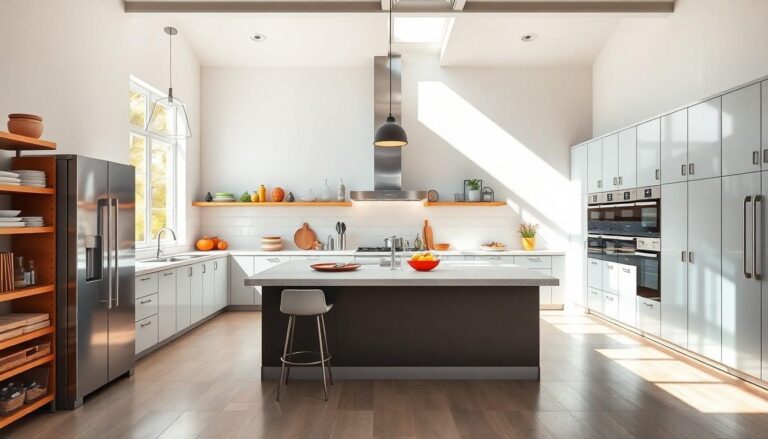


Container home design is not just a trend; it’s a revolution in the way people think about living spaces. Imagine transforming a simple shipping container into a cozy, stylish home that makes your neighbors raise their eyebrows in envy. These innovative structures blend sustainability with creativity, proving that great design doesn’t have to come with a hefty price tag.
With their unique charm and eco-friendly appeal, container homes are turning heads and changing lives. They offer endless possibilities for customization, allowing homeowners to express their personalities in ways traditional homes can’t. Plus, who wouldn’t want to live in a space that’s both chic and a conversation starter? Dive into the world of container home design and discover how to turn an ordinary box into an extraordinary living experience.
Overview Of Container Home Design
Container home design represents an innovative blend of functionality and aesthetics. Designers convert shipping containers into habitable spaces, utilizing their robust structure for various architectural styles. Flexibility accompanies these homes; they can expand horizontally or vertically, accommodating diverse visions.
Sustainability stands at the forefront of this movement. Many container homes incorporate recycled materials, reducing environmental impacts. Energy efficiency often improves with proper insulation and eco-friendly systems, making these homes attractive to environmentally conscious buyers.
Customization remains a significant appeal. Homeowners can personalize container homes with features like large windows for natural light, terraces for outdoor living, and modern interiors that enhance comfort. Options for multi-container configurations exist, allowing for more spacious designs.
Affordability also plays a key role in container home popularity. Initial costs typically rank lower than traditional construction, presenting an economical housing solution. This financial advantage encourages several people to explore container living as a viable option.
Chic design trends further elevate container homes. Emerging themes include minimalist aesthetics, industrial finishes, and artistic highlights. Architects often showcase creativity, turning these utilitarian structures into eye-catching residences that inspire others.
Functionality thrives in container homes. Well-thought-out layouts maximize space and enhance livability, making smaller footprints feel expansive. Urban settings benefit from container homes, providing urban dwellers with innovative solutions to housing challenges.
Exploring container home design opens avenues for unique living experiences. With countless possibilities, people can embrace a lifestyle that prioritizes both personal expression and sustainability. The growing interest in this housing model indicates its potential to redefine modern living spaces.
Benefits Of Container Homes

Container homes offer numerous advantages that make them an appealing choice for many buyers. Affordable housing solutions coupled with sustainability principles capture the interest of diverse individuals.
Affordability
Affordability remains one of the most significant benefits of container homes. Initial costs for these structures are generally lower than traditional construction methods. Simple modifications or renovations can also reduce expenses further. Many individuals find this budget-friendly option attractive, leading to an increased interest in container living. Lower maintenance costs contribute to long-term financial savings, allowing owners to allocate resources elsewhere.
Sustainability
Sustainability plays a critical role in the appeal of container homes. Recycled materials often comprise a large portion of these structures, significantly reducing environmental impact. Energy-efficient systems frequently enhance their eco-friendliness, making them appealing to environmentally conscious buyers. The design process promotes resourcefulness, as homeowners can customize layouts while minimizing waste. Using repurposed shipping containers supports a circular economy, which aligns with modern values around sustainability and responsible living.
Key Design Elements
Key design elements of container homes highlight their innovative features and adaptability. These homes stand out due to their unique layouts and versatile interiors.
Layout and Space Utilization
Efficient layouts define container homes. Designers often focus on open floor plans that maximize living space. Utilitarian rooms create functional areas, like kitchens and living rooms, while ensuring ease of movement. Multi-container configurations offer additional room for larger families or unique setups. Heightened ceilings within stacked containers enhance the sense of spaciousness. Furthermore, clever storage solutions help maintain organization and declutter the space effectively.
Interior Design Concepts
Modern interior design trends flourish in container homes. Natural light floods through large windows, enhancing warmth and comfort. Rustic materials, such as reclaimed wood, pair well with sleek, minimalist aesthetics. Bold color choices can transform spaces, reflecting the owner’s personality. Flexible furniture options often complement layouts, creating a harmonious flow. Sustainability informs interior choices, prioritizing energy-efficient appliances and eco-friendly finishes.
Challenges In Container Home Design
Container home design faces several challenges that can impact the success of a project. Addressing these issues ensures a smoother transition from concept to completion.
Regulatory Hurdles
Navigating regulatory hurdles often proves complex. Local building codes may classify containers as temporary structures, leading to difficulties in obtaining necessary permits. Zoning laws can restrict construction types in specific areas, limiting homeowners’ options. Developers frequently encounter variance requests when their designs don’t align with established regulations. Inspectors may require additional safety measures, increasing time and costs. Compliance with energy efficiency standards and accessibility requirements can add further complications. Awareness of local regulations is essential to avoid potential setbacks in the design and building phases.
Environmental Considerations
Environmental considerations play a significant role in container home design. While these homes are often marketed as eco-friendly, proper assessments are necessary. Remediation of potential contaminants from original cargo use needs evaluation before conversion. Eco-conscious builders should ensure the use of sustainable materials in additions and finishes. Waste management during the construction process must adhere to local guidelines. Energy consumption requires careful planning, with a focus on integrating renewable energy sources. Effective insulation is key to reducing energy usage and enhancing comfort. Prioritizing these factors supports the true sustainability of container homes.
Future Trends In Container Home Design
Emerging innovations in container home design capture the attention of homeowners and designers alike. Increased popularity for sustainable living solutions drives the need for eco-friendly materials in new builds. Biophilic design integrates natural elements, enhancing the connection between indoor spaces and the outdoors.
Smart technology integration becomes increasingly prevalent in container homes. Homeowners seek energy-efficient appliances, automated systems, and solar panels, reducing energy consumption and improving living experiences. Enhanced automation features lead to greater convenience in daily routines.
Architectural experiments push boundaries in design trends. Vertical stacking of containers creates multi-story homes, maximizing urban space utilization. Aesthetic choices evolve, with custom exteriors showcasing vibrant colors and artistic finishes that express personal style.
Social and communal living gains traction among container home enthusiasts. Developing container neighborhoods encourages a sense of community while sharing resources and amenities. Collaborative projects allow homeowners to influence designs and create cohesive living environments.
Regulatory frameworks shift to adapt to container home trends. Local governments recognize the need for updated building codes that embrace sustainable construction methods. Streamlined permitting processes facilitate more accessible construction opportunities.
Sustainability remains a core focus. Water conservation systems, such as rainwater harvesting and greywater recycling, complement energy-efficient designs. Proper waste management practices ensure minimal environmental impact during construction and throughout the home’s lifecycle.
Flexibility in design allows homeowners to alter spaces according to changing needs. Movable walls and adaptable furniture enable reconfiguration without extensive renovations. Personalization opportunities continue to expand, addressing the diverse lifestyles of occupants.
Container home design offers a fresh perspective on modern living by combining sustainability with affordability. As more individuals seek unique and customizable spaces, these homes stand out for their versatility and innovative features. The ability to create stylish environments while minimizing environmental impact resonates with today’s conscious consumers.
Navigating the challenges of regulations and environmental considerations remains essential for prospective homeowners. However, the future looks promising as trends evolve towards smarter and more sustainable solutions. With an emphasis on community and adaptability, container homes are not just a housing option but a lifestyle choice that embraces creativity and responsible living.