
Concrete may seem tough as nails, but even the sturdiest surfaces need a little TLC. Cracks, stains, and wear can sneak up on anyone, turning a pristine driveway into a patchy mess that even a raccoon wouldn’t want to rummage through. Maintaining and repairing concrete is not just about aesthetics; it’s about preserving the integrity of your investment.
Overview of Concrete Maintenance and Repair
Concrete surfaces require regular maintenance to prevent deterioration. Common issues include cracks, discoloration, and surface scaling that can compromise structural integrity. Timely repairs not only enhance appearance but also extend the lifespan of concrete assets.
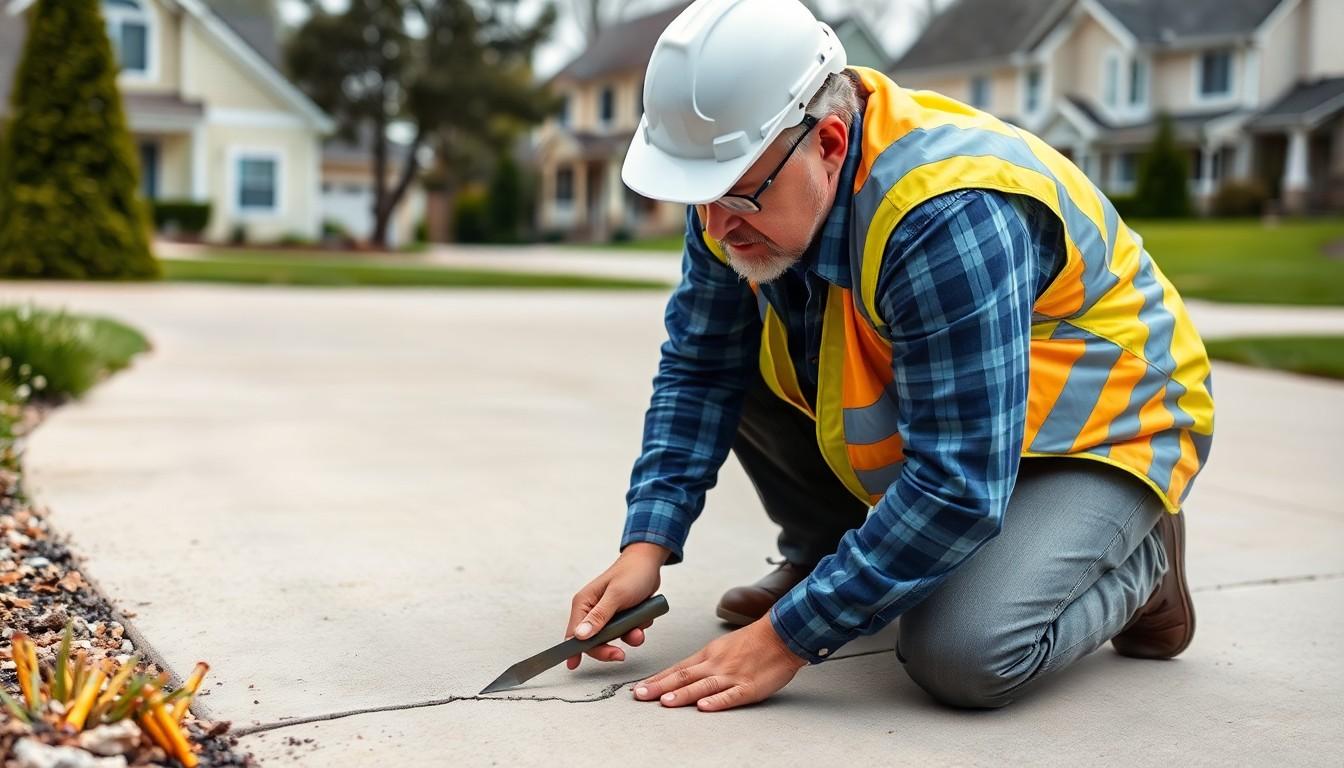
Regular inspections play a critical role in identifying potential problems early. Inspectors look for visible signs of damage, such as hairline fractures or uneven surfaces. Recognizing these issues promptly allows for targeted repairs and minimizes further deterioration.
Different repair methods cater to various types of damage. For minor cracks, a concrete filler may suffice, restoring a smooth surface. More significant cracks often require epoxy injections, which reinforce the material and prevent water infiltration. Resurfacing offers a solution for larger areas that exhibit wear, providing a fresh look while enhancing durability.
Stain treatment is equally important in maintaining concrete. Various cleaning agents exist for removing oil, grease, and other staining agents. Choosing the right product based on the stain type ensures effective cleaning without damaging the surface.
Sealants play a vital role in protecting concrete from moisture and environmental elements. Regular application of sealants prevents water penetration and reduces the risk of freeze-thaw damage. Knowing the right time to reapply sealers boosts protection levels and prolongs the life of the concrete.
Periodic maintenance can save money in the long run. Addressing issues early helps avoid costly replacements or extensive repairs. Utilizing expert contractors ensures proper techniques are applied and quality materials are used. Investing in maintenance today leads to enhanced durability and lasting beauty.
Importance of Concrete Maintenance


Concrete requires consistent maintenance to retain its durability and appearance. Regular care protects investments in concrete structures while enhancing their longevity.
Benefits of Regular Maintenance
Maintaining concrete surfaces offers several advantages. Routine upkeep reduces the likelihood of developing cracks, stains, or scaling, which can lead to costly repairs. Improved aesthetics contribute to enhanced property value, creating a welcoming environment for visitors. Scheduled inspections identify potential issues early, allowing for timely interventions. Sealing and resurfacing extend the life of concrete, minimizing the frequency of replacements. Overall, proactive maintenance enhances the durability and visual appeal of concrete assets.
Consequences of Neglect
Neglecting concrete maintenance leads to significant problems. Cracks can widen, increasing the risk of water infiltration and structural damage. Stains become more challenging to remove over time, detracting from the surface’s appeal. Surface scaling may create unsafe conditions, leading to slips and falls. Prolonged neglect results in costly repairs or replacements, burdening finances. Ultimately, maintaining concrete is crucial for preserving safety, aesthetics, and investment value.
Common Types of Concrete Damage
Concrete damage often comes in various forms. Understanding these types can help in identifying necessary repairs.
Cracking
Cracking is one of the most prevalent issues in concrete surfaces. It often results from temperature changes, shrinkage, or applying excessive loads. Surface cracks typically appear as fine lines, while deeper cracks may compromise structural integrity. Regular inspections help identify cracks early, allowing for prompt repairs. Filling minor cracks with appropriate fillers prevents further damage and improves aesthetics. For larger, more severe cracks, epoxy injections offer a targeted solution that restores strength.
Spalling
Spalling occurs when the surface layer of concrete flakes or peels off. Freeze-thaw cycles, moisture intrusion, and the use of de-icing chemicals often cause spalling. This damage not only affects appearance but also exposes the underlying material to further deterioration. Applying a sealant can mitigate moisture penetration and prevent spalling. In cases of severe damage, resurfacing may be necessary to restore the concrete’s protective layer and prolong its lifespan.
Water Damage
Water damage significantly affects concrete structures, particularly in areas with high moisture levels. Poor drainage, excessive rainfall, or plumbing leaks contribute to this issue. Moisture infiltration can lead to mold growth, freeze-thaw damage, or even structural weakening. Regular maintenance, including proper sealing and drainage solutions, minimizes the risk of water-related damage. Inspecting for signs of water damage early enables timely intervention and prevents costly repairs.
Techniques for Concrete Repair
Repairing concrete involves several techniques that address various issues effectively.
Patch Repair
Patch repair focuses on filling cracks and holes. Typical materials include concrete fillers or polymer-modified compounds. Application becomes crucial; cleaning the area ensures adhesion. After preparation, it’s essential to apply the filler smoothly for a uniform finish. Effective patch repairs restore both the appearance and integrity of the concrete. These simple steps can enhance durability and prevent further damage.
Resurfacing
Resurfacing offers a solution for larger areas showing wear or damage. This process involves applying a thin layer of new concrete over the existing surface. Before starting, surface cleaning and preparation are vital to ensure good bonding. The mixture used often contains additives for strength and flexibility. Once applied, resurfacing restores the surface to a like-new condition while adding an extra layer of protection against future wear.
Joint Sealing
Joint sealing prevents moisture intrusion and reduces the risk of damage. This method targets control joints where concrete slabs meet. A high-quality sealant, often polyurethane or silicone-based, is essential for effective sealing. Proper application ensures excess sealant doesn’t interfere with movement between slabs. Regular inspections help maintain the integrity of the seals, extending the lifespan of the concrete structure.
Best Practices for Concrete Maintenance
Maintaining concrete surfaces requires regular attention to keep them in optimal condition. Following specific best practices ensures durability and enhances appearance.
Regular Inspection
Conducting regular inspections is essential for identifying potential issues early. Inspections should occur at least twice a year, focusing on cracks, stains, and any signs of spalling. Look for deviations in surface texture or color, which may indicate deeper problems. Prioritize documenting findings to track changes over time. Addressing concerns promptly prevents small issues from escalating into costly repairs, maintaining the concrete’s structural integrity.
Cleaning Techniques
Effective cleaning techniques can significantly extend the lifespan of concrete surfaces. Using a pressure washer, remove dirt, grime, and mold without damaging the surface. Choose appropriate cleaning agents, avoiding harsh chemicals that could cause deterioration. Implement regular sweeping to prevent debris buildup, which can trap moisture. Spot cleaning for stains improves the overall appearance and keeps the surface visually appealing. Regularly maintaining cleanliness enhances aesthetics while protecting concrete from long-term damage.
Sealing and Coating
Applying sealants and coatings provides an additional layer of protection against moisture and environmental factors. Reapply sealant every one to three years, depending on climate and usage. Use high-quality products specifically designed for concrete to ensure durability. Consider protective coatings that can increase resistance to stains and enhance the surface’s finish. Proper application techniques are crucial for achieving a uniform layer, maximizing effectiveness. Investing in sealants leads to longer-lasting, resilient surfaces.
Maintaining and repairing concrete surfaces is vital for preserving their functionality and appearance. Regular inspections and timely repairs can significantly extend the lifespan of concrete structures while preventing costly damage.
Utilizing appropriate repair methods and cleaning techniques ensures that concrete remains durable and visually appealing. The application of sealants offers additional protection against environmental elements, further enhancing longevity.
Investing in concrete maintenance not only safeguards property value but also promotes safety and aesthetics. By prioritizing care, property owners can enjoy the benefits of well-maintained concrete for years to come.