
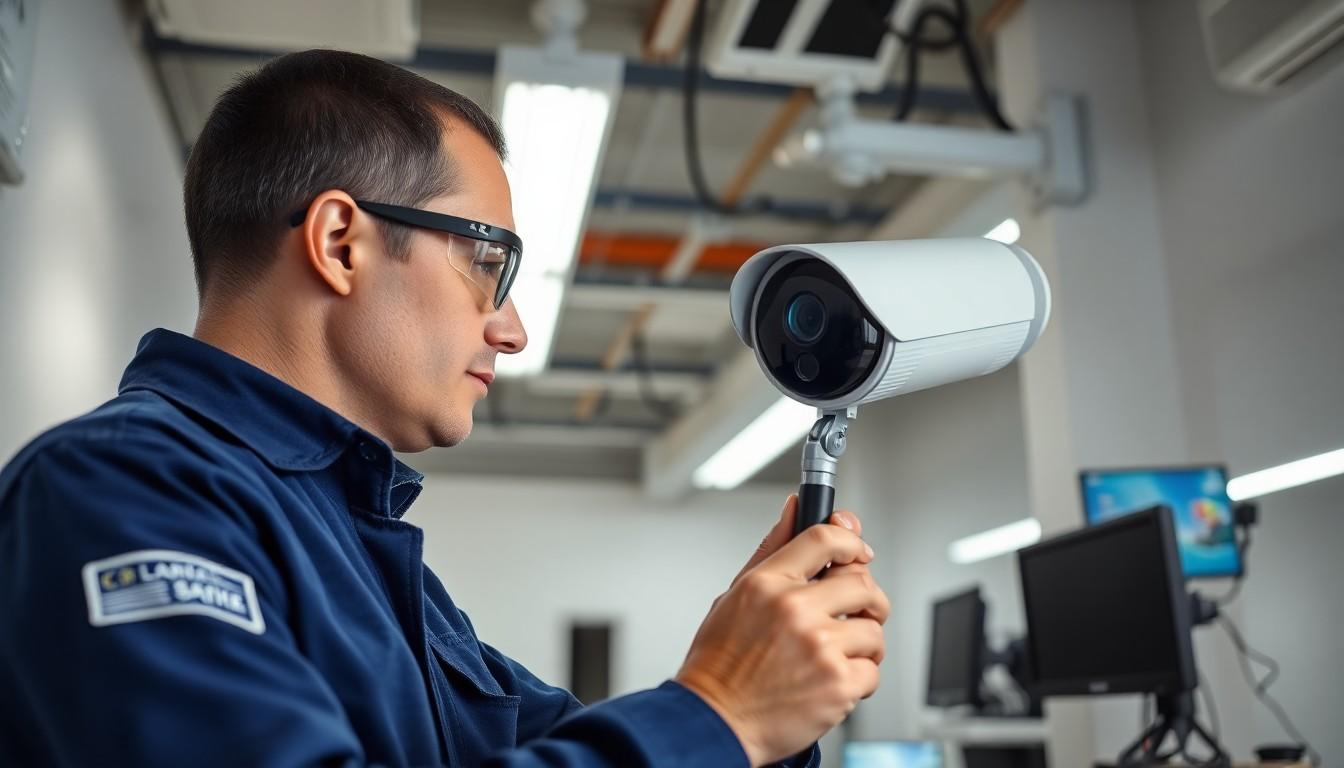
In a world where security is king, a well-functioning CCTV system is your loyal knight in shining armor. But what happens when that trusty guardian starts acting more like a clumsy jester? From blurry footage to unexpected blackouts, a malfunctioning CCTV can turn your peace of mind into a comedy of errors.
Understanding CCTV Systems
CCTV systems play a crucial role in enhancing security. Their effectiveness relies on various components and camera types designed for specific environments.
Components of a CCTV System
Key components make up a functional CCTV system. Cameras capture video footage, while lenses determine the quality of the image seen. Digital video recorders (DVRs) store this footage for future access. Monitors allow for real-time viewing of camera feeds. Cabling connects all components, ensuring seamless communication. Power supplies and backup systems ensure continuous operation. Understanding these components helps in identifying potential issues during repair or maintenance.
Types of CCTV Cameras
Several types of CCTV cameras cater to different surveillance needs. Dome cameras offer discreet monitoring and are ideal for indoor spaces. Bullet cameras provide a longer range and are suitable for outdoor use. PTZ (pan-tilt-zoom) cameras allow for remote control over viewing angles. Infrared cameras excel in low-light conditions, capturing clear images at night. Wireless cameras simplify installation and offer flexibility in positioning. Each type serves specific purposes in the security landscape, ensuring comprehensive coverage.
Importance of CCTV Repair and Maintenance

CCTV repair and maintenance significantly contribute to the reliability and effectiveness of security systems. Regular upkeep ensures that these systems operate smoothly, delivering clear footage and uninterrupted monitoring.
Ensuring Optimal Performance
Optimal performance of a CCTV system depends on regular inspections and timely repairs. Technicians can identify issues like camera misalignment or faulty wiring during maintenance checks. They can also clean lenses and adjust settings for improved image quality. Addressing minor problems promptly often prevents major system failures. A well-maintained CCTV system enhances surveillance efficiency and ensures reliable monitoring around the clock.
Reducing Potential Risks
Reducing potential risks involves maintaining and repairing CCTV systems to avoid security breaches. Unmonitored systems can lead to missed incidents, compromising safety and security. Regular service checks allow for detecting vulnerabilities, such as outdated software or compromised connections. An effective maintenance schedule minimizes the risk of downtime and ensures all components function optimally. Safe environments depend on robust, consistently operational CCTV systems that deter crime and protect assets.
Common CCTV Issues and Their Solutions
CCTV systems often encounter several issues that can compromise their effectiveness. Addressing these problems quickly enhances security and ensures reliable monitoring.
Faulty Cameras
Faulty cameras frequently lead to significant security gaps. Blurry images or complete camera failure often stem from improper installation or damaged components. Ensuring regular maintenance helps identify misalignments or dirt build-up on lenses, which can cause blurry footage. Technicians typically recommend cleaning camera lenses routinely and checking for physical damage. Replacing faulty cameras promptly minimizes risks and maintains coverage in vulnerable areas.
Connectivity Problems
Connectivity problems can disrupt recording and viewing capabilities. Cable issues, such as fraying or loose connections, often contribute to these disruptions. Inspecting cables and connectors regularly ensures a stable connection between cameras and recording devices. Wireless cameras may experience interference from other devices, so relocating or upgrading the wireless network can resolve connectivity issues. Inconsistent or interrupted signals should prompt an immediate review of the entire system setup to restore proper functionality.
DIY CCTV Maintenance Tips
Regular maintenance keeps a CCTV system running smoothly. He or she can easily perform routine tasks to ensure optimal performance.
Regular Cleaning and Inspection
Regular cleaning helps maintain clear footage. Dust can accumulate on camera lenses, causing blurry images. Cleaning a lens with a microfiber cloth removes debris effectively. Look for signs of moisture on cameras, as this can lead to damage. Checking connections and cables prevents disruptions. Inspect the mounting hardware for stability to avoid camera misalignment. Conduct inspections at least every six months to catch minor issues early.
Software Updates
Software updates enhance security system functionality. They fix bugs and address vulnerabilities, improving performance. Check for updates quarterly to ensure the system runs efficiently. Firmware updates can also add new features, optimizing surveillance capabilities. Staying current with software helps protect against potential threats. Using outdated software increases the risk of security breaches. He or she should follow the manufacturer’s guidance for installation and scheduling of updates.
Professional CCTV Repair Services
CCTV systems require expertise to ensure effective performance. Professional repair services play a vital role in maintaining these systems.
When to Call a Professional
Signs of malfunction often signify the need for expert assistance. Blurry images or intermittent outages in footage indicate deeper issues that DIY fixes cannot address. If a system exhibits problems like continuously losing connectivity or recording failures, immediate action is necessary. Additionally, unusual noises from the equipment may suggest technical malfunction, warranting professional evaluation. Trust in a technician’s insight can prevent further complications and enhance overall security.
What to Expect from a Repair Service
Repair services typically begin with a thorough assessment of the entire system. Technicians check cameras, cables, and connections for faults. They offer comprehensive solutions, ranging from simple lens cleaning to complete equipment replacements. Routine updates and software installations may also be part of the service, ensuring systems remain secure and operational. After repairs, technicians often provide maintenance recommendations that help prolong the system’s lifespan. Clients can expect transparency regarding costs and timeframes to avoid unexpected delays.
A well-maintained CCTV system is crucial for effective security. Regular inspections and timely repairs not only enhance performance but also prevent minor issues from escalating into major failures. By staying proactive with maintenance and addressing problems early, individuals can ensure their surveillance systems remain reliable and efficient.
Utilizing both DIY tips and professional services can significantly improve the longevity and functionality of CCTV systems. This dual approach helps maintain optimal operation while ensuring comprehensive coverage and peace of mind. Investing in regular upkeep ultimately contributes to a safer environment and reinforces the protective capabilities of CCTV technology.